.png?width=1200&height=263&name=covers%20materials%20(5).png)
If a drawing calls out a generic backflow enclosure, you'll find several product categories on the market. Here's the short version of what each one is:
Aluminum Enclosures
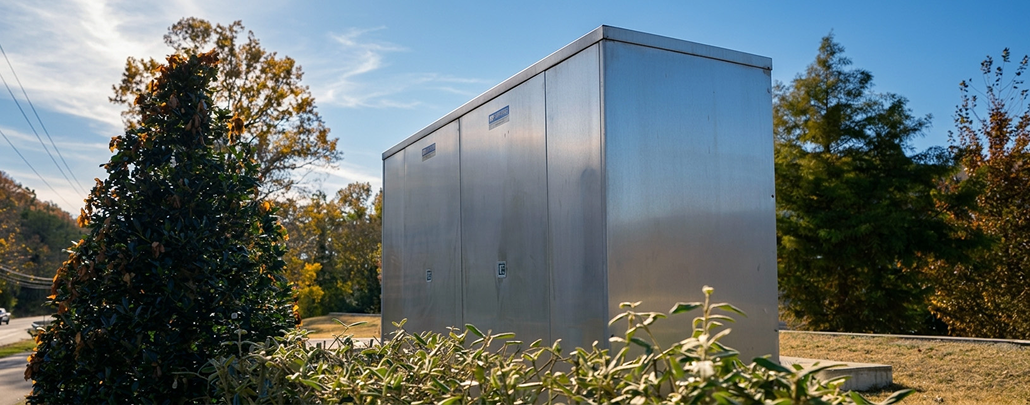
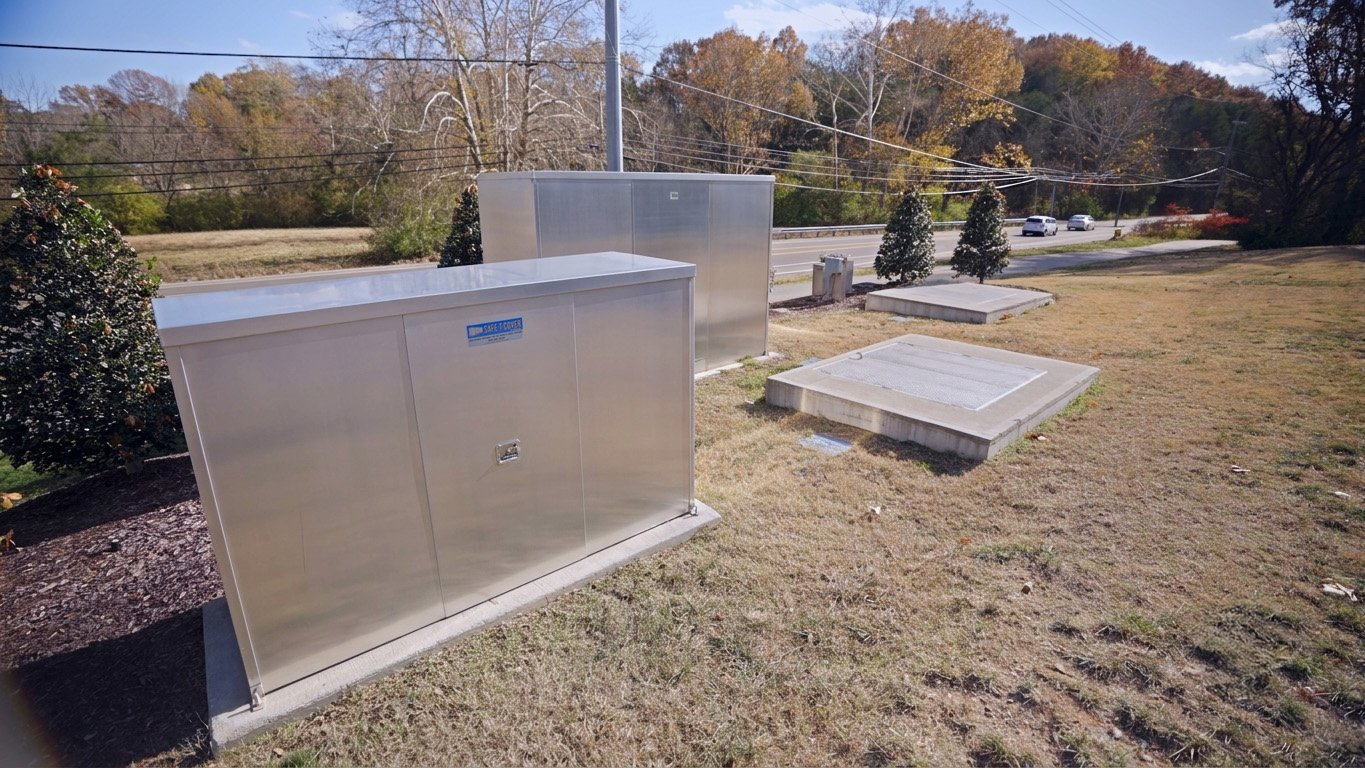
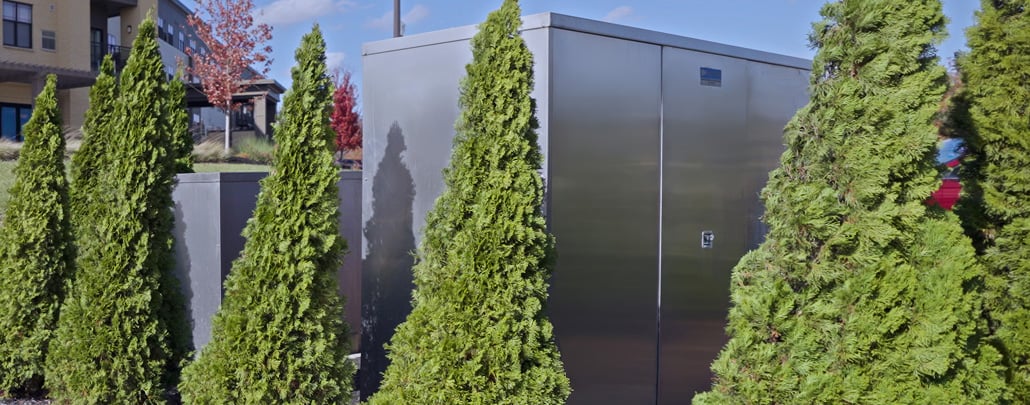
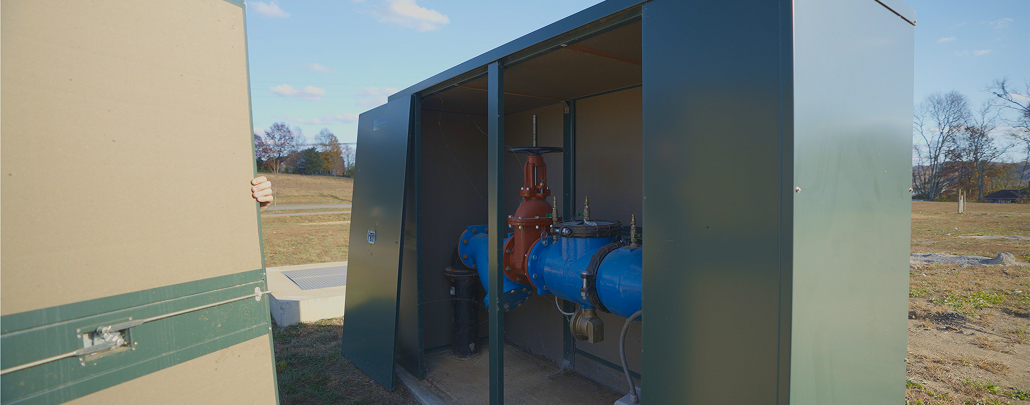
The ideal choice. Marine grade aluminum construction with a locking mechanism, insulated wall panels and optional heaters. The modular, panel-based design allows standard enclosures and custom builds alike, and aluminum's corrosion resistance supports decades of service.
Fiberglass Enclosures
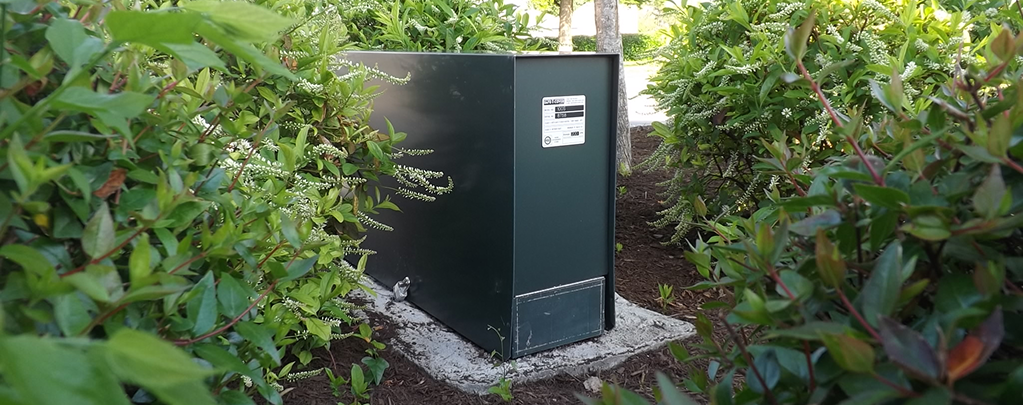
Molded boxes with spray foam insulation and optional wall-mounted heaters. UV exposure causes fiber bloom and cracking over time, and the molded construction makes cutouts and custom sizes difficult.
Backflow Cages
Powder-coated steel, expanded metal or angle iron frames with a lock. Stainless steel offers high durability, but it's heavier and more costly. Cages provide a basic security barrier but have no insulation and no frost protection, and they leave the valuable assembly in plain view.
Fake Rocks and Plastic Covers
Lightweight covers designed to blend into landscaping, generally for assemblies two inches and smaller. Interiors taper, most don't lock and they provide no freeze protection on their own.
High-Density Polyethylene (HDPE)
Often seen as lids on covers for underground irrigation and sprinkler systems. The lids are treated with UV inhibitors, but there is no temperature protection and the unit is easily vandalized or damaged.
Insulated Bags
Fabric covers with thermal insulation that provide frost protection to the pipes inside but no security whatsoever. They're typically paired with a rock, cage or plastic cover.
For a side-by-side breakdown of each material — protection levels, available sizes, colors and price ranges — see the enclosure materials comparison.

.jpg?width=993&height=530&name=Enclosure%20open%20(1).jpg)

.jpg?width=206&name=MadeInUSA-Icon%20(1).jpg "MadeInUSA-Icon (1)")