Please contact us by filling out the form via the button below.
We're in the office 8am-4pm Central Time, Monday through Friday.
-
1Contact Information
-
2Additional Details

In any area where that faces freezing temperatures — those that stay below 32°F for more than 24 hours — our recommendation is to add a heater. This is a 'pay me now or pay me later' decision.
Heaters are especially important in industrial, telecommunications and marine settings. Selecting the proper enclosure heater means accounting for the enclosure's dimensions and the ambient temperatures you expect, plus considering how heat rises within the enclosure.
As a design engineer, insisting on an ASSE 1060 Class I conforming enclosure lets you rest easy knowing you've properly protected valuable equipment. The owner will never call to ask why their backflow device is frozen and who's going to pay the expensive replacement bill. Consider, too, that buildings are without water until repairs happen.
We routinely sell heaters for projects in the Sun Belt states such as Texas, Louisiana, Mississippi, Alabama, Georgia and Florida. Even Florida, Arizona and Nevada face freezing conditions that can cause backflow preventers to fail. Here's why backflow cages aren't a sufficient option for total protection.
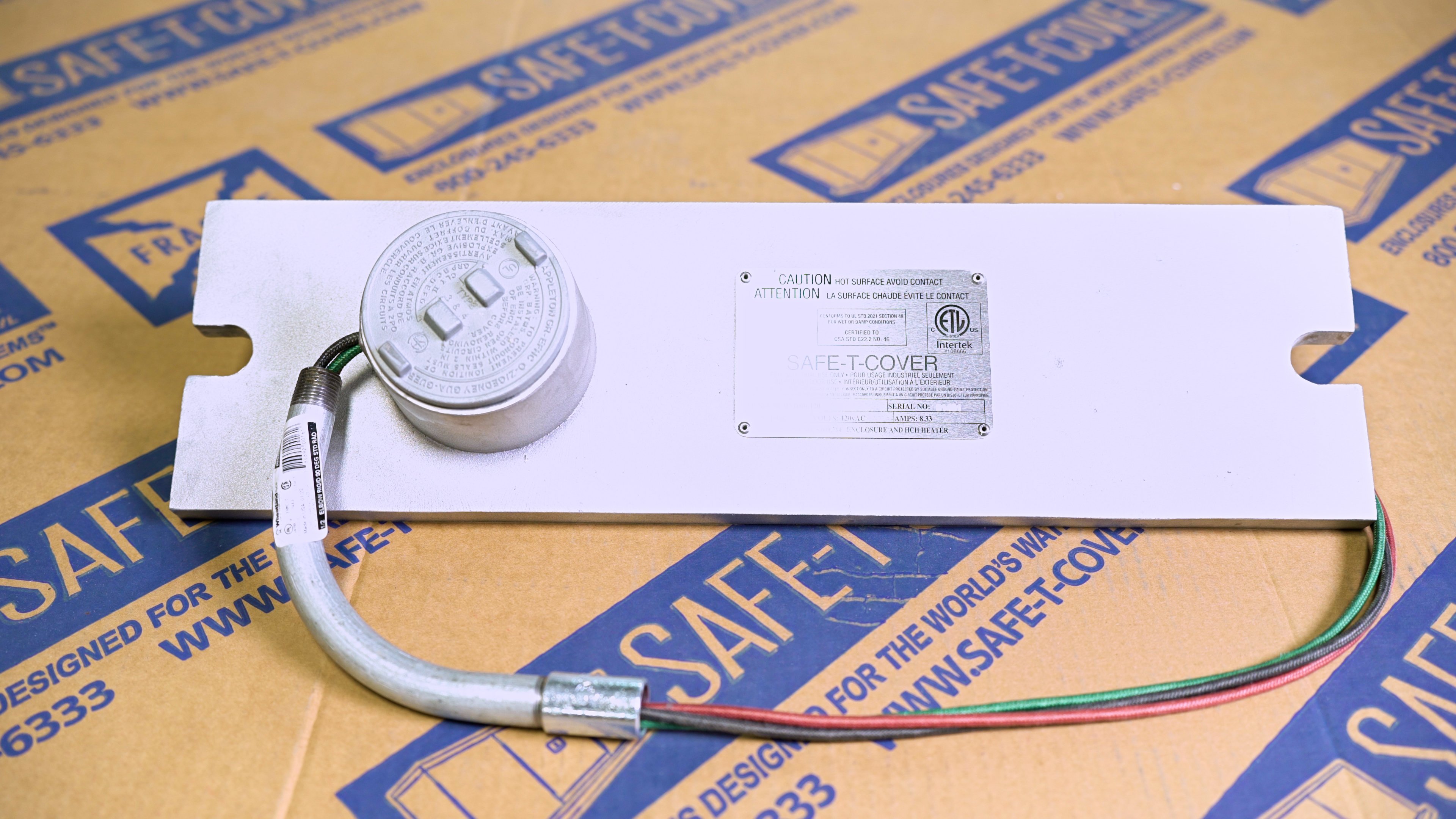
A slab-mounted enclosure heater delivers heat to the backflow assembly and up to 16 inches beneath the slab for the riser pipes. These heaters maintain a standard interior temperature of 40°F with outside temperatures as low as -30°F, as needed to meet ASSE 1060 Class I requirements.
Safe-T-Cover's patented slab-mounted heaters are certified for wet/damp conditions, which is necessary for waterworks equipment in outdoor conditions. Their rugged, compact design has proven reliable for backflow preventer freeze protection in frigid low temperatures for years./p>
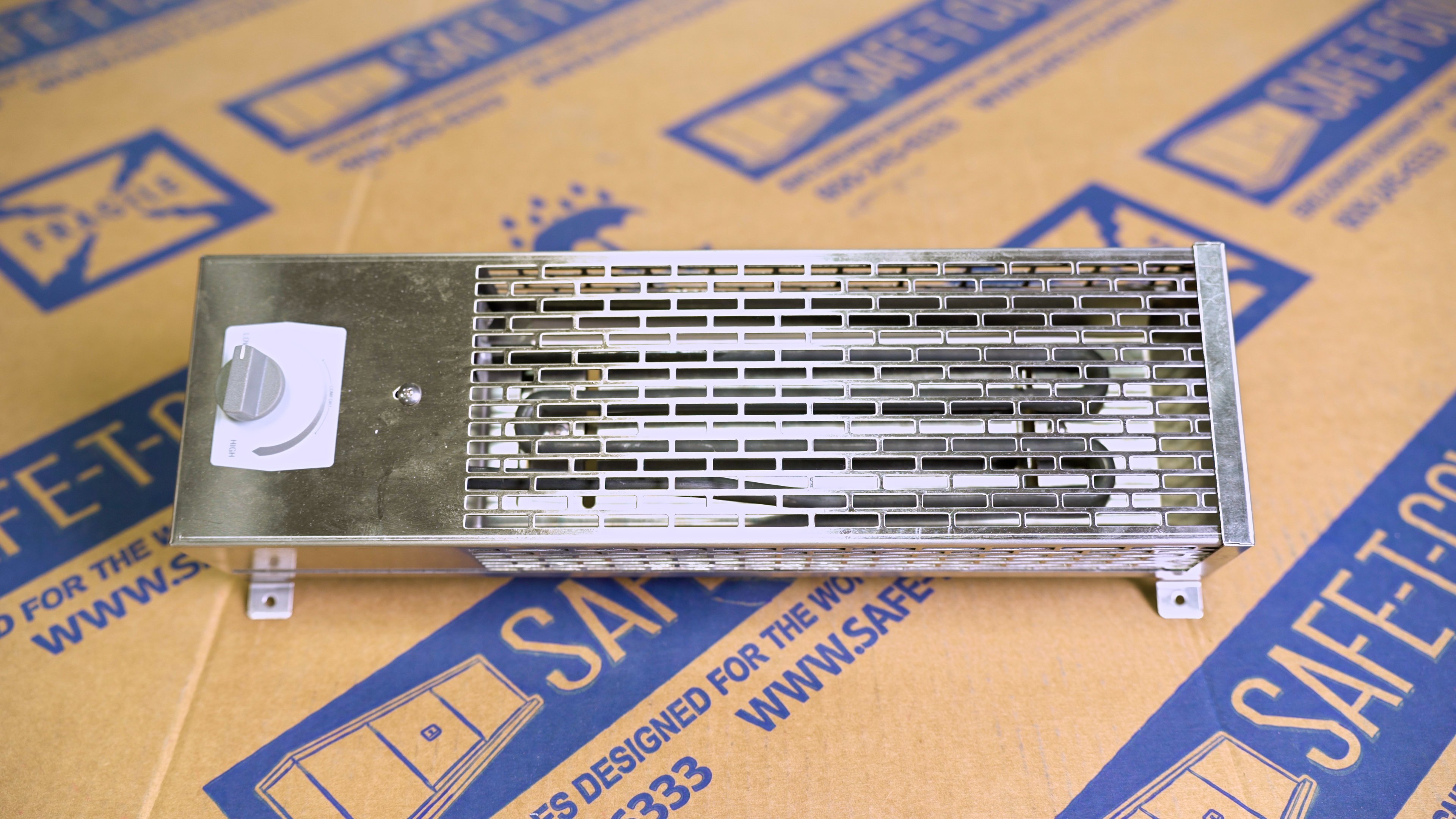
Many backflow cover heaters in the industry are wall- or panel-mounted. A wall-mounted heater simply cannot deliver the freeze protection of a floor- or slab-mounted heater. Because of the door configuration, a wall-mounted heater must be mounted to one side and may use an aluminum mounting plate. And because it does not meet wet/damp requirements, it must sit at a minimum of 12 inches off the slab. Warm air always rises, so this heater's warmth channels straight out of the enclosure's top long before uniform warmth is achieved, if at all.
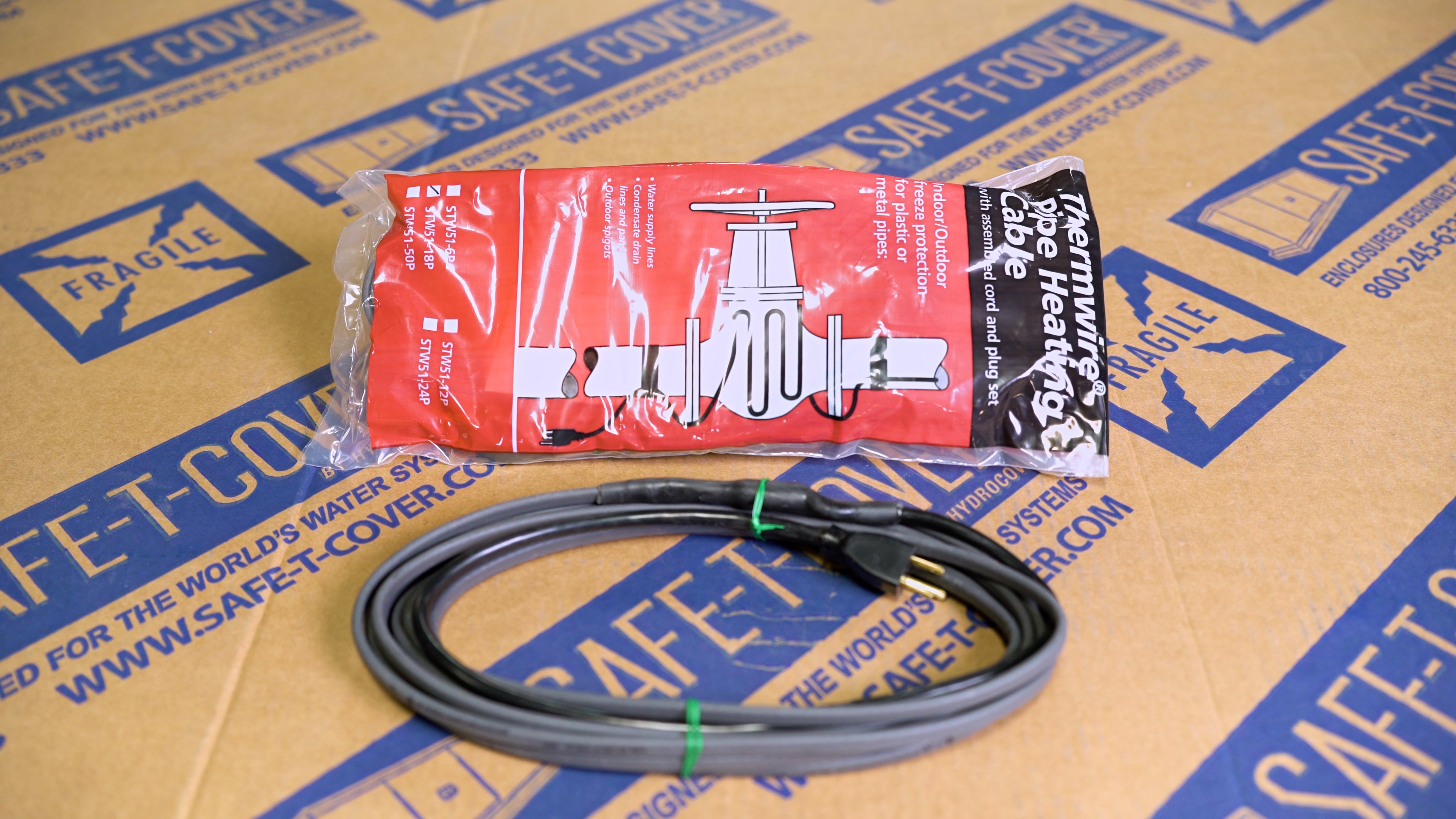
Safe-T-Cover also offers a self-regulating heat cable. This enclosure heat option wraps around the backflow preventer. Most enclosure manufacturers, including us, provide a heat cable only for pipe diameters of two inches or less in small enclosures. This video from Instrument Specialties is a good overview of how these cables work.
A wall-mounted heater sits to one side of the enclosure and heats from above, so warm air rises and escapes the top before the whole enclosure reaches an even temperature. A slab-mounted heater sits on the floor and distributes heat evenly across the equipment and up to 16 inches below the slab to protect the riser pipes. Only a slab-mounted heater is certified for the wet/damp conditions found in outdoor waterworks enclosures.
Common heater setups include the heater, a controller and a power source. Safe-T-Cover offers 500, 1,000 and 2,000 watt slab-mounted box heaters at 120V and 240V heating power. Enclosure volume and insulation quality determine how many watts a heater needs to supply.
Set the thermostat for wall-mounted and slab-mounted heaters at 40°F, and the heater will maintain that temperature all the way down to -30°F.
We've sold heaters for many years in Canada, Alaska and upstate New York, where extreme temperatures in winter can stay below freezing for extended periods. For more, read our case study from St. John's, Newfoundland on how well enclosure heaters perform in harsh environments.
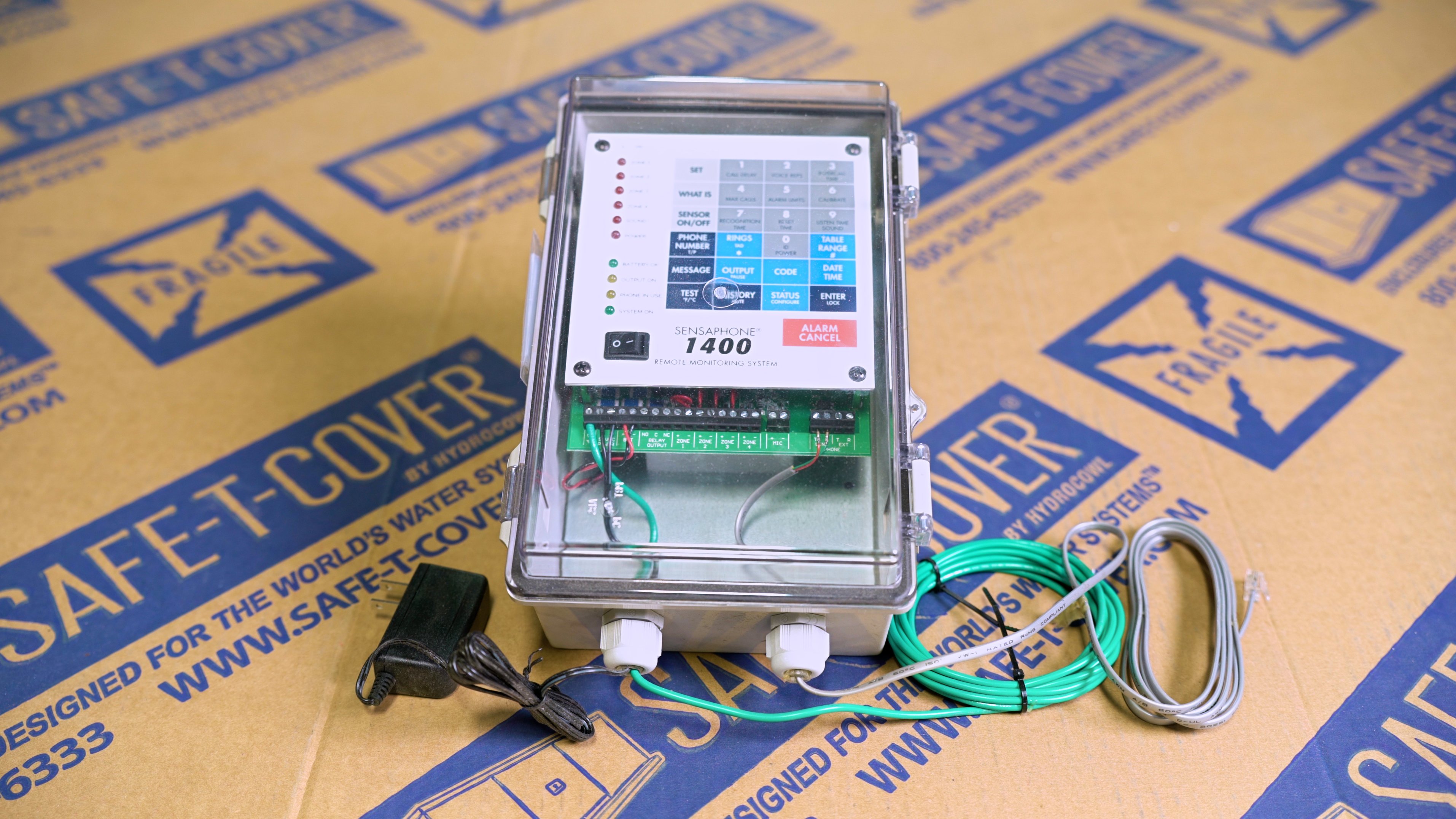
The first way to guard against freezing pipes is to know the power has failed at the enclosure. We offer three power and temperature failure alarms, from basic models to systems with remote monitoring and cell phone alerts.
The second way to be prepared is a contingency plan to provide some type of box heating for the enclosure if power might be out for an extended period and temperatures will stay below 32°F. A 9,000 BTU portable propane heater will more than replace the output of an electric heater.
For wall-mounted and slab-mounted enclosure heaters, a thermostat determines when the heater activates. For a slab-mounted heater, the thermostat is installed about 12 inches above the slab. Most wall-mounted heaters have built in thermostats and are located high enough on the wall to keep the heater safe from water damage. The thermostat is set at 40°F and designed to hold that temperature inside the enclosure all the way down to -30°F, provided the box heater satisfies ASSE 1060 Class I requirements.
Safe-T-Cover recommends adding an enclosure heater everywhere in the United States, especially anywhere temperatures can fall and stay below 32°F for more than 24 hours. Even states like Florida, Nevada, Arizona and Texas have seen cold snaps and ice that cause backflow preventers to freeze and fail. Risk isn't limited to northern climates.
Insulation only slows heat dissipation, so it only delays freezing during a sustained cold spell rather than preventing it. To meet ASSE 1060 Class I protection (down to –30°F), an enclosure needs a heat source, not just insulation.
The backflow preventer on an irrigation system does. Even when the system is shut down and drained for winter, a backflow assembly often stays pressurized and exposed above ground, so it can freeze, crack and fail when temperatures drop below 32°F. An ASSE 1060 Class I enclosure with a slab-mounted heater keeps the irrigation system's assembly protected through sustained cold.

.jpg?width=206&name=MadeInUSA-Icon%20(1).jpg "MadeInUSA-Icon (1)")