Pump houses and aluminum pump enclosures can vary significantly in size depending on the application, from very large fire pump houses to a smaller well pump application. So how big should a pump enclosure be? It depends on what you're covering and the potential hazards it faces.
Protecting Pumps of Various Sizes
While some pumps can be located indoors, that might not be the best or most cost-effective solution. When you choose to install your pump outdoors, you'll face new considerations like how to protect equipment from harsh conditions. To identify the best location and protection for your pump, first start with the type.
Fire Pump Houses and Enclosures
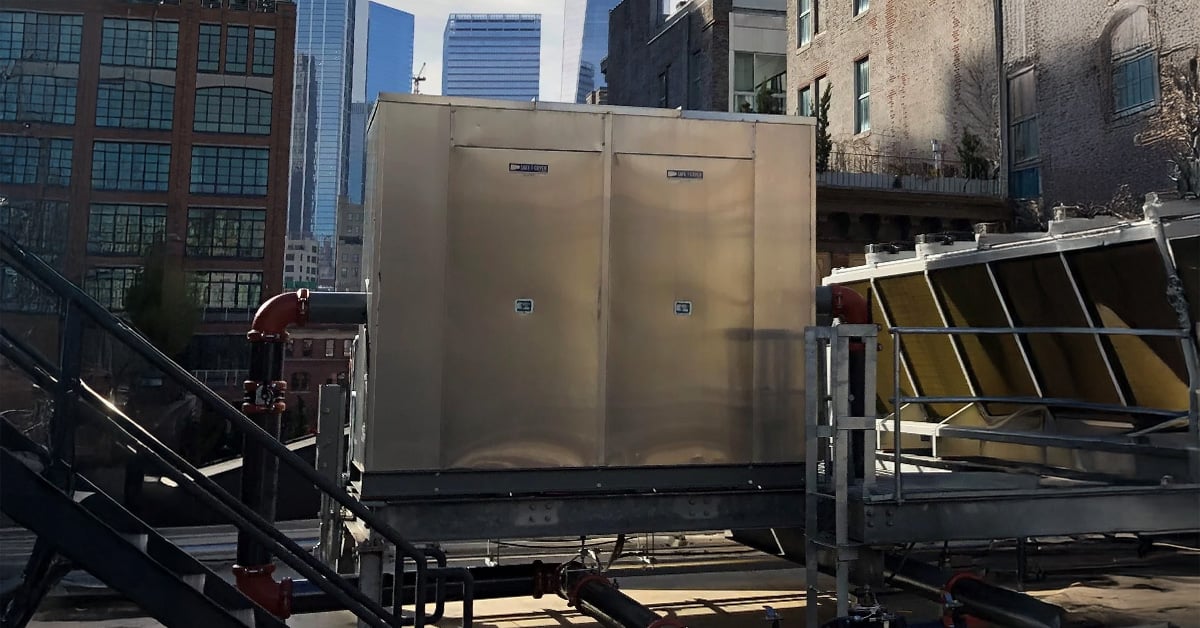
Fire pumps are large pieces of equipment that supply water pressure sprinkler systems need to charge during an emergency in high-rise buildings or warehouses. Some fire pumps are located on top of high-rises due to space limitations.
When there's no room inside a warehouse or retail floor space is too valuable to sacrifice, another alternative is housing fire pumps outside the main building in a pump house. These structures tend to be much larger, both because of the size of the pump equipment they cover and the clearances required around it for service crews to perform routine maintenance.
Booster Pump Enclosures
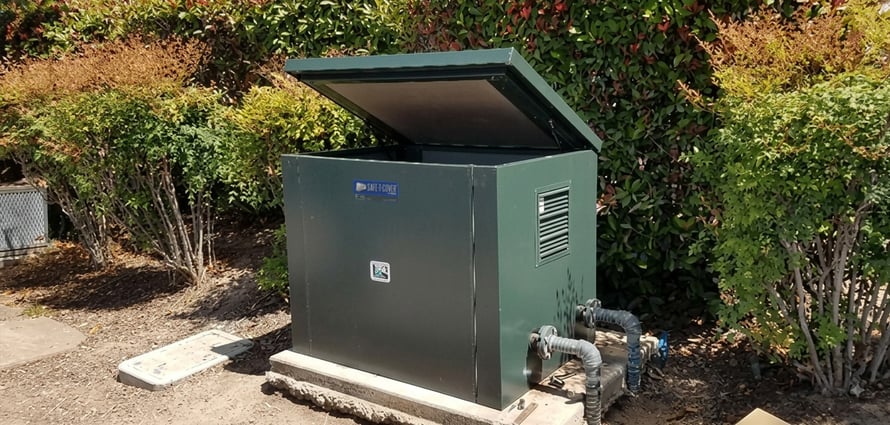
Booster pumps compensate for low pressure in the local water supply or water tank and can be located inside or outside the building. Irrigation booster pumps are another type that need to be protected from vandalism. This one pictured below is located on the West Coast near a marina with access to the Pacific Ocean, so it needed features that kept it cool in summer and safe from humidity, which makes an aluminum the popular and cost-effective enclosure choice.
Well Pump Covers
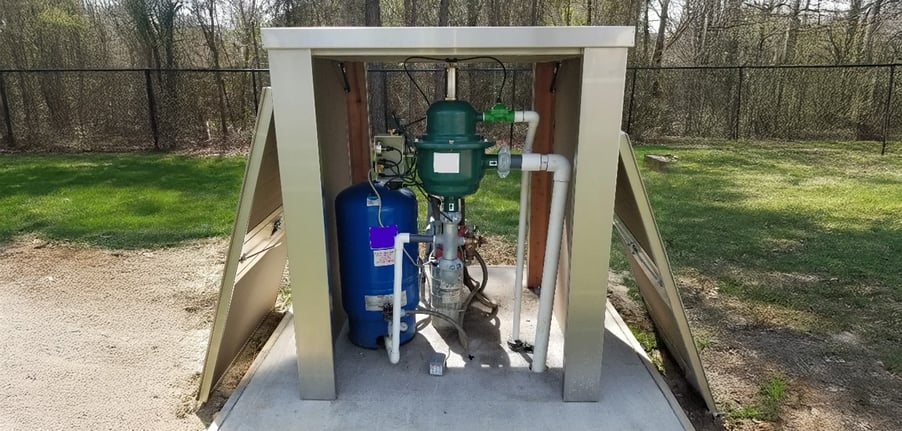
On the opposite end of the enclosure spectrum are well pump covers. Because the equipment they house is so much smaller than fire pump equipment, these covers are compact and typically square. They don't need much clearance around the equipment either: multiple removable access panels open things up for routine maintenance. The enclosure pictured here measures just 44"W x 44"L x 52"H — perfect for the application.
Checklist: Sizing Pump Enclosures
- Access: Size the doors so equipment can be pulled out and replaced without difficulty.
- Material: Plastic pump enclosures deteriorate over time; select a material with longevity and durability.
- Noise: Add insulation that helps with acoustics when sound needs to be kept down.
- Codes: Check local requirements, which may set minimum clearances and ventilation.
- Growth: Leave room for equipment you might add down the road.
- Freeze protection: Account for the extra space insulation and heaters may take up.
- Total cost: Factor in installation and ongoing maintenance, not just the enclosure itself.
Aluminum Pump Enclosure Advantages
1. Reduced Maintenance Costs
One of the biggest advantages of aluminum is that it won't rust, chip or degrade the way steel, painted metal or fiberglass can. That means no repainting, patching or repair cycles eating into your budget. A Safe-T-Cover aluminum pump enclosure is built to last for decades — some units have been in the field for more than 30 years — and a small amount of seasonal cleaning is typically all it takes to keep one performing. Modular construction adds to the savings: if a single panel is ever damaged, you replace that panel rather than the whole enclosure.
2. Corrosion Resistant
Because corrosion is one of the leading causes of premature pump failure, resisting it directly extends the equipment life inside. Safe-T-Cover enclosures are corrosion resistant by design. Every enclosure is built from marine-grade aluminum, which naturally resists rust and corrosion even in harsh conditions. That makes aluminum a smart choice whether the enclosure sits near the coast, in a snowy climate where roads are treated with brine or salt or in an industrial setting exposed to chemicals or heat.
3. Excellent Protection From Cold Weather
Water pumps face constant exposure to heat, cold, rain, snow, wind and UV, and any one of those can shorten equipment life. An aluminum enclosure shields your pump from all of them. The panels stand up to UV rays without fading or cracking, and a PAC-CLAD finish adds another layer of defense against sun, salt spray and industrial pollutants. Insulation and a heater keeps equipment warm through freezing winters. All Safe-T-Cover enclosures are ASSE 1060 certified, the gold standard when specifying for freeze protection.
4. Heat Mitigation Options
Heat is another consideration when covering pumps. In most cases it's the top priority, because pumps that run constantly generate heat that has to go somewhere — and high temperatures can damage electronic control panels or cause equipment to overheat. When that's the concern, we recommend adding a forced fan and louver to move the heat out.
5. No Permit Costs
Sometimes a pump house may be designed as a brick and mortar house that covers the pump system. These usually require housing permits, which add to the overall job and design cost. Aluminum enclosures don't require housing permits, plus they allow for more flexibility in sizing, location, and maintenance.
Get a Quote for Aluminum Enclosures for Pumps
No matter how large or small your outdoor well pump house application is, we are always here to help. If you would like to learn more about how to size your pump house, click here. Or you can reach out to me directly using the link below. We're happy to help you design the best pump cover for your project.


.jpg?width=206&name=MadeInUSA-Icon%20(1).jpg "MadeInUSA-Icon (1)")