Installing water meters in vaults is becoming less common for good reason. While the price tag is a factor, safety is just as important.
Water jurisdictions are moving away from below-grade utility vaults because they increase risk for anyone performing testing or routine maintenance on the water meter or backflow preventer. Technicians must follow OSHA confined space protocols, adding time, cost and potential exposure liability to what otherwise should be straightforward tasks.
Space is another driver. When the water meter and backflow assembly are installed in the same above ground enclosure, the overall footprint is smaller — a major advantage on sites where space is limited or costly, such as commercial properties. Reducing the need for multiple lines, long straight runs, or wide vaults simplifies layout and saves space.
Cost: Water Meter Installed in a Vault
|
Equipment |
Contractor Price |
|
8” meter and backflow combo vault including valves but not installed |
$16,500 |
|
Excavator and backhoe rental to dig vault space |
$2,500 |
|
Boom truck rental to deliver and install vault |
$2,500 |
|
Total Cost |
$21,500 |
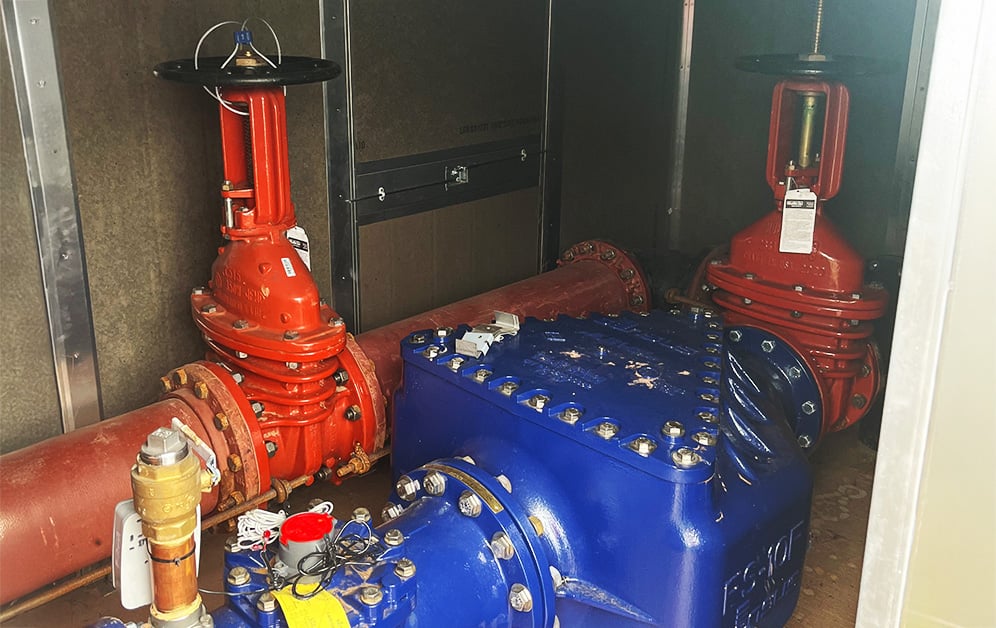
Cost: Water Meter Installed in an Above-Ground Backflow Cover
|
Equipment |
Contractor Price |
|
Custom enclosure for meter and backflow combo |
$13,200 |
|
Additional gate valves and fittings |
$2,500 |
|
Larger concrete slab required for larger backflow enclosure |
$2,500 |
|
Total Cost |
$18,200 |
Two additional costs not shown in the comparison that should be considered in the cost evaluation:
-
The labor and equipment savings (no boom truck required) when comparing digging for a meter vault vs. enclosure installed at grade. A pipe-width ditch is sufficient for above-ground enclosures, making them simpler and less expensive to install.
-
The lead time for the backflow cover is often shorter than the lead time for a meter vault, reducing project delays in many parts of the U.S.
Water Meter Trends: Make the Enclosure Smaller
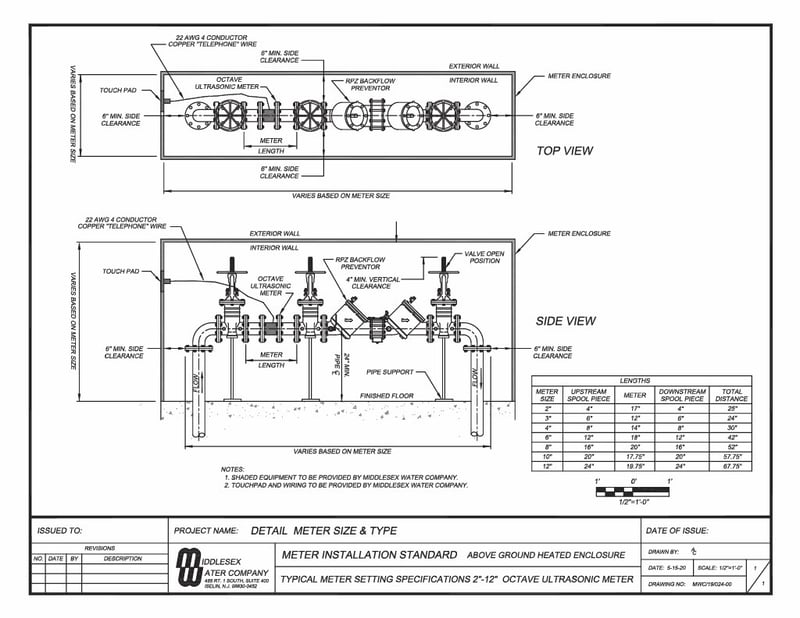
Some water jurisdictions are changing to ultrasonic meters for applications requiring a 3” meter or larger. This type of water meter eliminates the need for long straight pipe runs before and after the meter, especially valuable when working with above-ground enclosures in limited-space installations. And when these straight runs are eliminated, the backflow cover doesn't need to be as long.
On one recent project, the length of the backflow cover was reduced by 48” due to an ultrasonic meter. This adjustment resulted in measurable cost savings and reduced the required enclosure footprint, especially important when accounting for regulatory compliance or minimizing environmental hazards during site planning.
What Should You Consider?
As a design engineer, look for best practices that meet the specific needs of your application while improving safety, reliability and cost efficiency. When comparing a meter vault vs. enclosure, it’s clear that above-ground enclosures offer a better long-term solution, one that avoids the risks associated with underground enclosures and helps projects stay on budget and in compliance.
Change isn't always easy, but it starts with a commitment to rethink outdated standards. If you're working with a water jurisdiction or reviewing plans for commercial properties, we can help. We've partnered with municipalities across the country and are ready to support your next project.
Reach out to discuss how an above-ground enclosure can meet your project goals and simplify the path to safer, smarter infrastructure. Send us a chat or contact us here.
| Equipment | Meter Vault | Above-Ground Enclosure |
|---|---|---|
| 8" meter and backflow combo (including valves, not installed) | $16,500 | — |
| Custom enclosure for meter and backflow combo | — | $13,200 |
| Additional gate valves and fittings | — | $2,500 |
| Excavator and backhoe rental | $2,500 | — |
| Boom truck rental to deliver and install | $2,500 | — |
| Larger concrete slab | — | $2,500 |
| Total Cost | $21,500 | $18,200 |
FAQ: Water Meters & Where To Put Them
What is a meter enclosure?
A meter enclosure is an insulated, secure structure installed above ground on a concrete pad to protect a water meter and related components. These enclosures allow maintenance personnel to access equipment at grade, eliminating the safety concerns associated with confined spaces. When properly installed and maintained, meter enclosures promote accurate metering, long-term reliability and compliance with local standards.
Why is the water meter installation location important?
Where a water meter is installed has a direct impact on accuracy, reliability, and long-term costs. Poor vault quality or poorly maintained meter vaults can lead to water loss, structural issues, regulatory penalties and unexpected downtime. For this reason, many municipalities prefer placing water meters in above-ground enclosures, which are designed to withstand environmental exposure and include insulation or heating to protect against freezing conditions.
Is a meter vault more expensive than a meter enclosure?
In many cases, the upfront material cost of a meter vault is similar to that of a backflow or meter enclosure. The difference often comes during installation. Meter vaults typically require extensive excavation, heavy equipment and additional labor, which can drive up total project costs. As a result, more jurisdictions are standardizing above-ground enclosures to improve safety while keeping installations efficient and cost-effective.
What are the risks of meter vaults?
Meter vaults are prone to flooding, particularly in areas with high water tables or frequent heavy rain. Accessing a flooded, below-grade vault makes maintenance more difficult and time-consuming, increasing safety risks and service disruptions. These challenges are main reasons many water authorities are reconsidering vault installations in favor of above-ground alternatives.


.jpg?width=206&name=MadeInUSA-Icon%20(1).jpg "MadeInUSA-Icon (1)")