Backflow cages have been part of the irrigation and plumbing industry for decades. But their widespread adoption didn’t happen because they were the best long-term solution. It happened because of circumstance.
To understand why backflow cages became so common, you have to go back to the housing crash of 2007 and the economic downturn of 2008. As the economy faltered, metal theft surged. Thieves quickly realized that copper pipe and bronze backflow preventer components could be sold for hundreds of dollars at scrap yards.
Outdoor, above-ground backflow prevention devices became easy targets.
The Backflow Cage Boom
In warm-weather states like Arizona, Nevada and Southern California, backflow preventers and other backflow assemblies were commonly installed outdoors and above ground. That visibility made them vulnerable.
Theft became so widespread that thieves began posing as municipal workers and removing backflow prevention assemblies in broad daylight. Some sites were hit multiple times. Water authorities, municipalities and law enforcement needed a fast deterrent.
Enter the backflow cage.
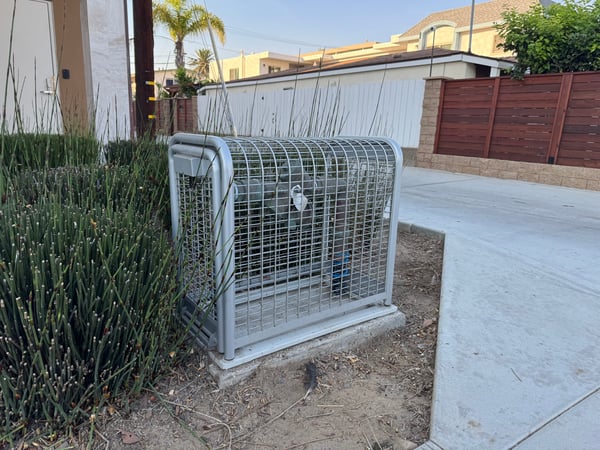
Metal fabricators began producing steel cages, often made of powder coated steel, to enclose exposed backflow devices. These cages featured a simple locking mechanism and appeared strong enough to discourage theft. They were affordable, readily available and easy to install.
Demand grew rapidly. Small fabrication shops across the Southwest began manufacturing cages in large quantities. Over time, installing a backflow cage became standard practice.
But standard does not always mean best.
Backflow Security Gets an Upgrade
While metal theft still occurs, the market has evolved. Manufacturing efficiencies have improved, and modern backflow enclosures are now far more cost-competitive than they were 15 years ago.
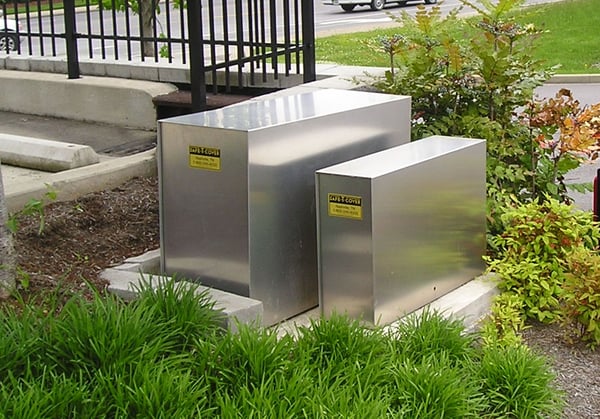
In many regions, an ASSE 1060-certified backflow preventer enclosure made from marine grade aluminum is equal in cost — and often less expensive — than a see-through cage.
More importantly, most jurisdictions now require some form of protective enclosure over backflow prevention devices. The conversation has shifted from “how do we slow down thieves?” to “how do we properly protect critical infrastructure?”
Backflow cages were originally adopted as a quick fix. But today, they fail to address key risks including freezing temperatures, vandalism, drainage requirements and long-term durability.
What Backflow Cages Don’t Solve
Backflow cages are security-focused products. They do not provide:
- Freeze protection for backflow preventers
- Drainage for RPZ discharge events
- Climate control in extreme heat
- Long-term corrosion resistance
- True backflow security
In cold-weather events, cages offer no protection against freezing temperatures. Property owners often try to compensate with an insulated bag wrapped around the backflow preventer. These bags provide temporary relief at best and do not meet ASSE 1060 standards for freeze protection.
From a durability standpoint, powder coated steel cages can corrode over time, especially in humid or coastal environments. Once corrosion begins, strength is compromised and maintenance costs increase.
And from a security perspective, a cage still advertises what’s inside. It makes the backflow device visible. It shows potential thieves exactly what they’re after.
Why Modern Backflow Enclosures Are the Better Standard
Aluminum enclosure solutions are engineered for superior strength, durability and full-spectrum protection. An ASSE 1060-certified backflow preventer enclosure built from marine grade aluminum offers:
- Integrated freeze protection
- Drainage capacity for RPZ discharge
- Tamper-resistant locking mechanism
- Corrosion resistance
- Compliance with structural load requirements
- Full concealment of backflow devices
Unlike cages, aluminum enclosure systems obscure the equipment inside. There is no visible bronze or copper to tempt thieves. The result is stronger backflow security and fewer incidents.
Modern backflow enclosures are also designed to withstand snow loads, wind loads and temperature extremes. With proper insulation and heating components, they protect backflow assemblies from freezing temperatures without relying on temporary fixes like insulated bags.
Choose a Better Backflow Preventer Enclosure
Backflow prevention devices protect our drinking water. They are not optional pieces of hardware. They are critical infrastructure.
The question isn’t whether to protect them. The question is how.
Fifteen years ago, backflow cages filled an urgent need during a metal theft crisis. Today, we have better options. ASSE 1060-certified backflow enclosures made from marine grade aluminum provide superior strength, full compliance and long-term value.
Before specifying a backflow cage on your next project, compare it to a modern aluminum enclosure. Review the cost, the compliance requirements and the long-term maintenance implications.
You may find that upgrading from a cage to a custom size backflow preventer enclosure delivers far more protection at virtually the same price.


.jpg?width=206&name=MadeInUSA-Icon%20(1).jpg "MadeInUSA-Icon (1)")